Cover cropping is the practice of growing a non-cash crop - a legume, cereal, or brassica - between main cropping cycles to protect bare soil, capture residual nutrients, and suppress weeds. The crop is never harvested for sale.
AHDB distinguishes three overlapping categories that are worth understanding. Cover crops protect bare soil from structural breakdown. Catch crops - typically cereal rye or oats - retain soil nitrogen over winter, preventing leaching into watercourses. Green manures - legumes like vetch and crimson clover - fix atmospheric nitrogen biologically, reducing synthetic fertiliser requirements for the following crop. A well-chosen multi-species mix does several of these things simultaneously.
In 2026, it also qualifies for DEFRA's Sustainable Farming Incentive at £129-£163/ha per year - which means many UK growers are looking at cover cropping seriously for the first time, or looking at scaling what they already do.
What Do Cover Crops Actually Do?
In practice, a well-chosen mix does several things at once. Phacelia establishes fast, smothers weeds, and attracts pollinators. Fodder radish and mustard drive deep taproots into compacted subsoil layers, breaking up pans that otherwise need mechanical intervention. Cereal rye builds biomass quickly on light East Midlands soils and provides weed suppression going into spring.
The soil biology angle is where the long-term gain sits. Research shows that the majority of crops established following a cover crop see a yield improvement - and that benefit accumulates as cover cropping becomes a consistent part of the rotation, rather than a one-off response to a bad year.
Which Cover Crop Species Work Best in the UK?
Species selection is where most growers get stuck. The honest answer is that what works depends on your soil type, your rotation, and what you're trying the cover crop to achieve - but the following table gives you a practical starting point for UK arable systems.
| Species | Primary function | UK sowing window | Notes |
|---|---|---|---|
| Phacelia | Weed suppression, pollinator forage | Jul - Sep | Fast-establishing; frost-killed, so easy to terminate |
| Fodder / tillage radish | Compaction relief, nutrient capture | Jul - Sep | Deep taproot breaks subsoil pans; frost-sensitive |
| Cereal rye | Biomass, weed suppression, erosion control | Sep - Oct | Hardy; watch allelopathy ahead of spring cereals |
| Common / hairy vetch | Nitrogen fixation | Jul - Aug | Legume; don't follow peas/beans; drill by mid-Aug |
| Mustard | Fast biomass, brassica break | Jul - Sep | Frost-sensitive; easy to terminate; watch blackleg risk |
| Oats | Erosion control, biomass | Aug - Sep | Vigorous early growth; can hold moisture near surface |
A note on mixes: CSAM2 and SOH3 both require a minimum of two species from at least two plant families. Single-species sowings don't qualify for the SFI payment, which is one reason most agronomists push multi-species mixes regardless of the paperwork.
The Timing Problem - and Why It Matters More Than Species Selection
Here's what most cover cropping guides skip over. The establishment window in the UK is genuinely tight. Post-harvest soils cap quickly, moisture drops, and the gap between combine and a viable seedbed is often days rather than weeks.
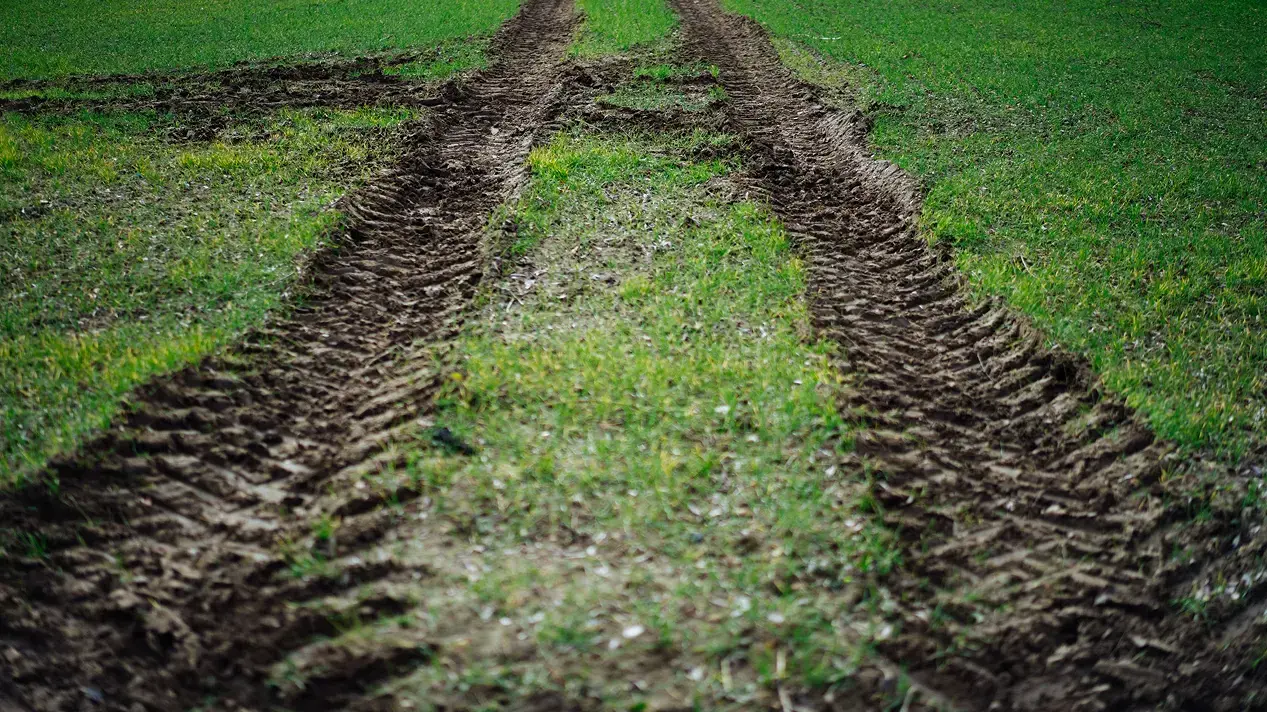
The traditional solution - tractor-mounted spreader or broadcaster - works, but it uses around 17 litres of diesel per hectare (AHDB machinery costings). At current fuel prices, that's £23-25 per hectare on fuel alone before you account for tractor depreciation and operator time. And driving heavy machinery onto wet autumn ground creates exactly the compaction problem a cover crop is supposed to fix.
Pre-harvest undersowing - establishing cover into a standing crop before harvest - is simply impossible with conventional ground equipment.
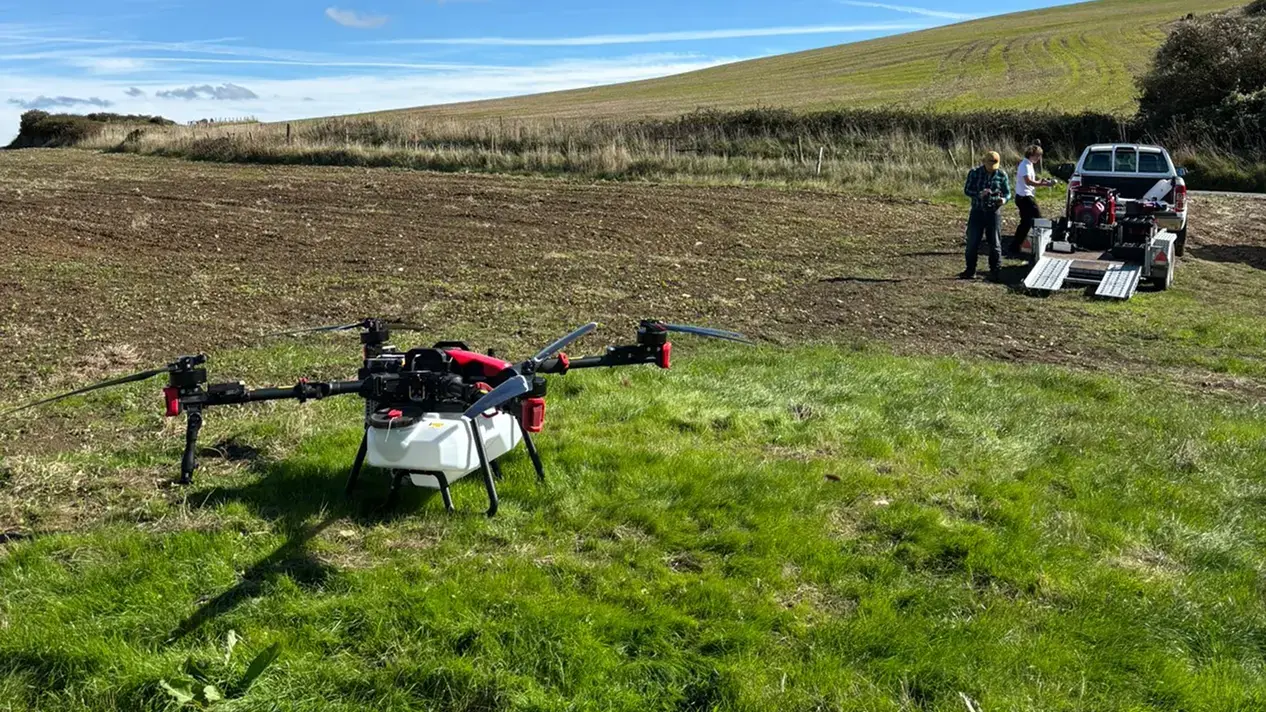
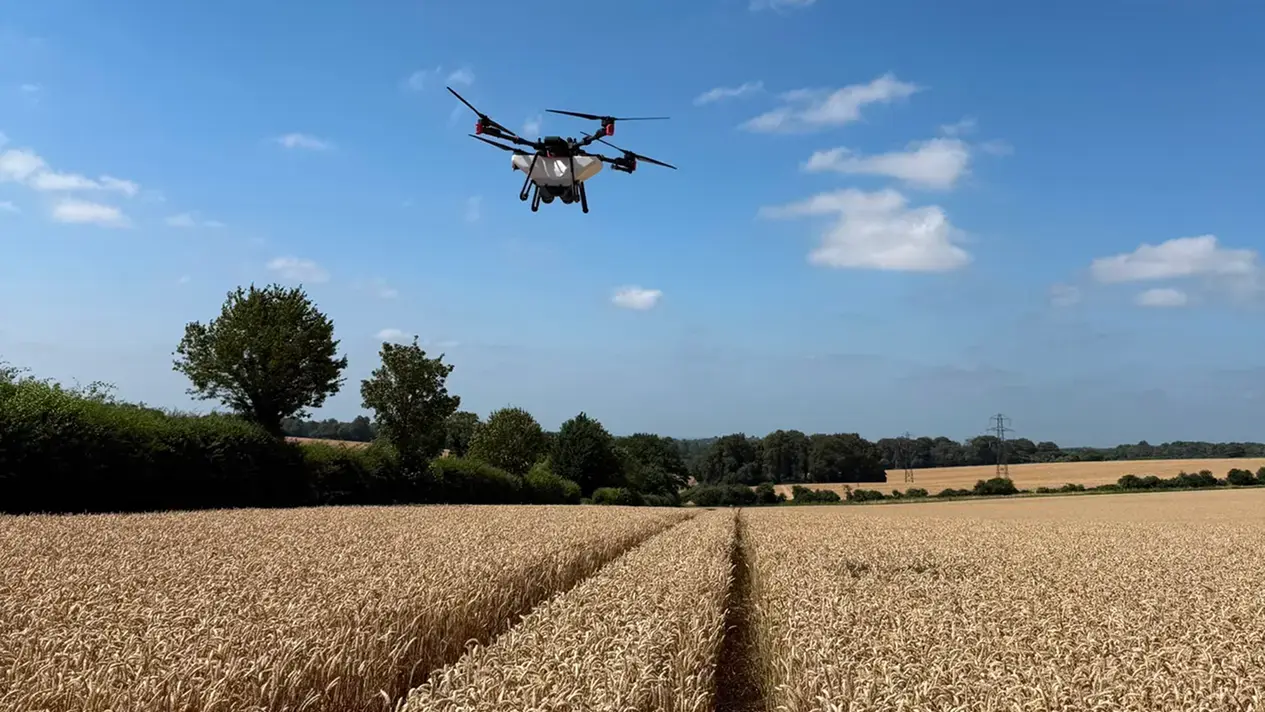
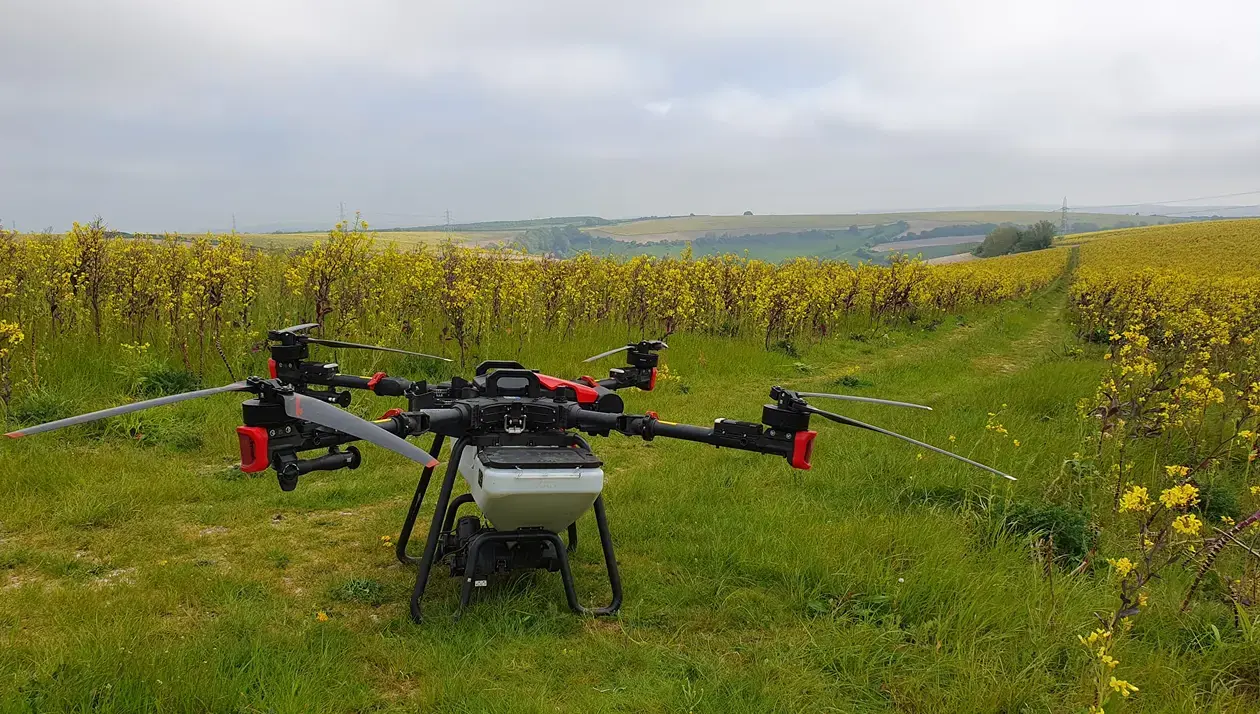
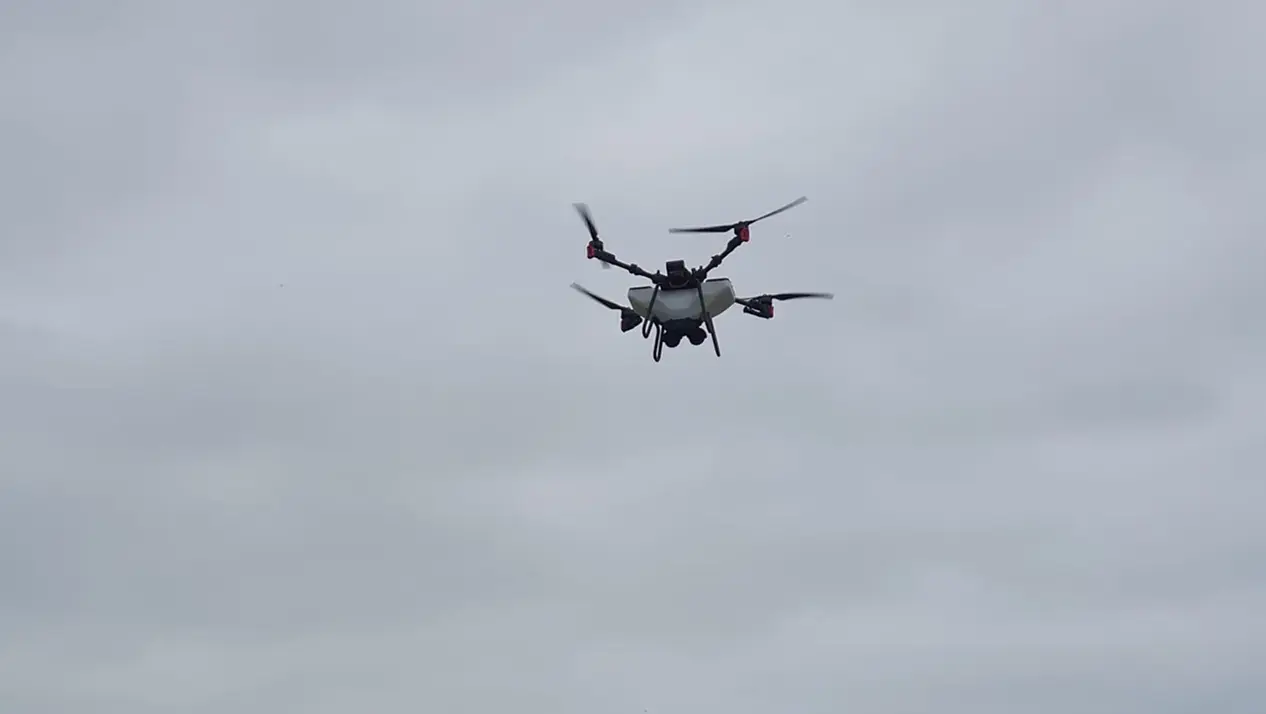
Drone seeding resolves the timing and compaction problem in a single move. Drones cover approximately one hectare every five to seven minutes, operating over standing crops or saturated ground with no access constraints and zero soil disturbance. Broadcasting seed into a standing wheat or barley canopy three to four weeks before harvest means germination is already underway by the time the combine runs. The SOH3 summer sowing window (June to August) and the CSAM2 September establishment window are both secured regardless of what the weather does after harvest.
For growers managing no-till systems - where the logic of running heavy cultivation equipment through a carefully built soil structure makes even less sense - drone seeding isn't just convenient, it's consistent with the whole system. The no-till farming UK guide covers this interaction in more detail if you're thinking about how cover cropping fits a wider low-disturbance rotation.
SFI 2026: The Cover Crop Payment Rates You Actually Need to Know
DEFRA's Sustainable Farming Incentive replaces the Basic Payment Scheme with payments tied to specific land management actions. For cover cropping, the two relevant actions are:
- CSAM2 (multi-species winter cover crop): £129/ha/year - established in September, overwintered, minimum two species from two plant families
- SOH3 (multi-species summer cover crop): £163/ha/year - sown June to August, minimum four species from two plant families, eight-week minimum establishment period
Both run as three-year agreements. Window 1 for SFI 2026 opened 30 June 2026 and is open for approximately two months - or sooner if the budget is fully allocated. Window 2 opens in September 2026 for all farms.
CSAM2 and SOH3 can be stacked within suitable rotations, and both stack alongside companion crop action CIPM3 (£55/ha) where the rotation allows. On a well-structured arable system, combined SFI income from these three actions can reach up to £347/ha per year where all three are applicable in the same rotation.
How to Terminate a Cover Crop
Termination is the part of the process that tends to catch growers out, particularly in years with mild winters.
Glyphosate is the most reliable method for the majority of UK systems, typically at 4.5 litres/ha of 360g/l formulation. Aim to spray eight weeks ahead of drilling a following cereal crop - the allelopathic effect of cereal cover crops decomposing in the seedbed is real, with spring barley particularly sensitive. Six weeks is the practical minimum.
Frost rolling works where temperatures drop to -4°C for several consecutive days - conditions that are reliable in northern UK but less consistent in East Anglia and the south-west. Frost-sensitive species like phacelia, buckwheat, and mustard are straightforward targets; winter-hardy species like vetch, cereal rye, and linseed require more attention and often a follow-up glyphosate application.
Livestock grazing is a legitimate option where sheep access is practical - it adds a modest diversified income (£10-20/ha), but the cover must not be grazed to the ground. Leave enough green material for the plant to take up a finishing glyphosate application before drilling.
CSAM2 rules under SFI are specific: the cover cannot be destroyed before the end of the winter months (February), unless you're establishing an early-sown spring crop - in which case destruction is permitted up to six weeks before drilling.
Is Cover Cropping Worth It in 2026?
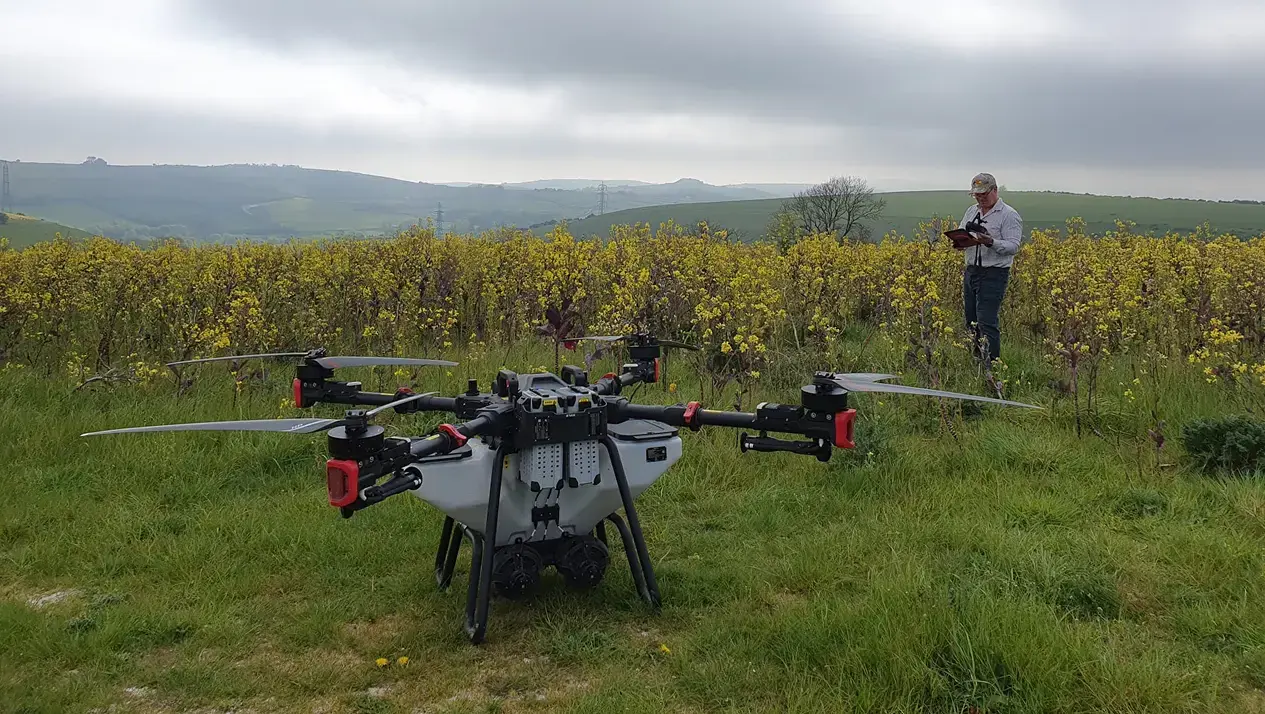
For most UK arable rotations, yes - but the calculation turns on your establishment method more than most people realise. The SFI revenue is real and accessible. The soil health gains are evidence-backed. The risk is spending money on seed and logistics only to damage the soil structure you're trying to build.
A 200-hectare block of winter cover established via a tractor broadcaster uses around 3,400 litres of red diesel - roughly £2,700 at current agricultural fuel prices - before tractor depreciation and operator time.
If you're weighing up whether cover cropping suits your rotation, soil type, and SFI application, the team at Drone Spraying UK can walk through species selection, timing, and establishment logistics - without you needing to wait for dry ground or invest in additional machinery. Contact us here.
Want to understand how drone establishment works in practice? See our drone spreading page for more information.